“How do we make our staff believe we love them?”
This is the question I was asked in a meeting with the executive team of the world’s (at that time) fifth-largest company.
Everyone turned to me, waiting for a sophisticated answer. I paused, then said simply what I felt, what I knew: “Love them.”
The HR director and other executives looked at me and each other perplexed — it hadn’t occurred to them that genuine love could be a solution to the problem we were trying to fix.
That moment captures a theme that has followed me my whole life: observing, and being part of, initiatives that are well-intended yet trying to change people through manipulation, control, or coercion. Once I saw it, I couldn’t un-see it.
For as long as I can remember, I’ve been fascinated by people — how they think, feel, and behave — and by the spaces between what we say, how we feel, and what we actually do. I noticed the inconsistencies early, imagining a bubble above people’s heads showing their true thoughts — the X-ray of intention and feeling. At school, in the organisations I worked for and generally in life, I always felt something was off, a felt misalignment I couldn’t name, see or understand with the very systems I was meant to fit into.
Much of my life has been spent chasing what society told me success looked like: achievements, titles, accolades, external validation. I trained, raced, studied, and pushed myself physically and mentally, tracking performance, heart rate, distance, elevation — always measuring, always comparing. And yet, I realised that nothing truly beautiful in life can be measured. A smile from my daughter, the color of the sky, a run in the mud and rain — these are immeasurable, yet they are what make life rich, alive, and meaningful.
The breakthrough
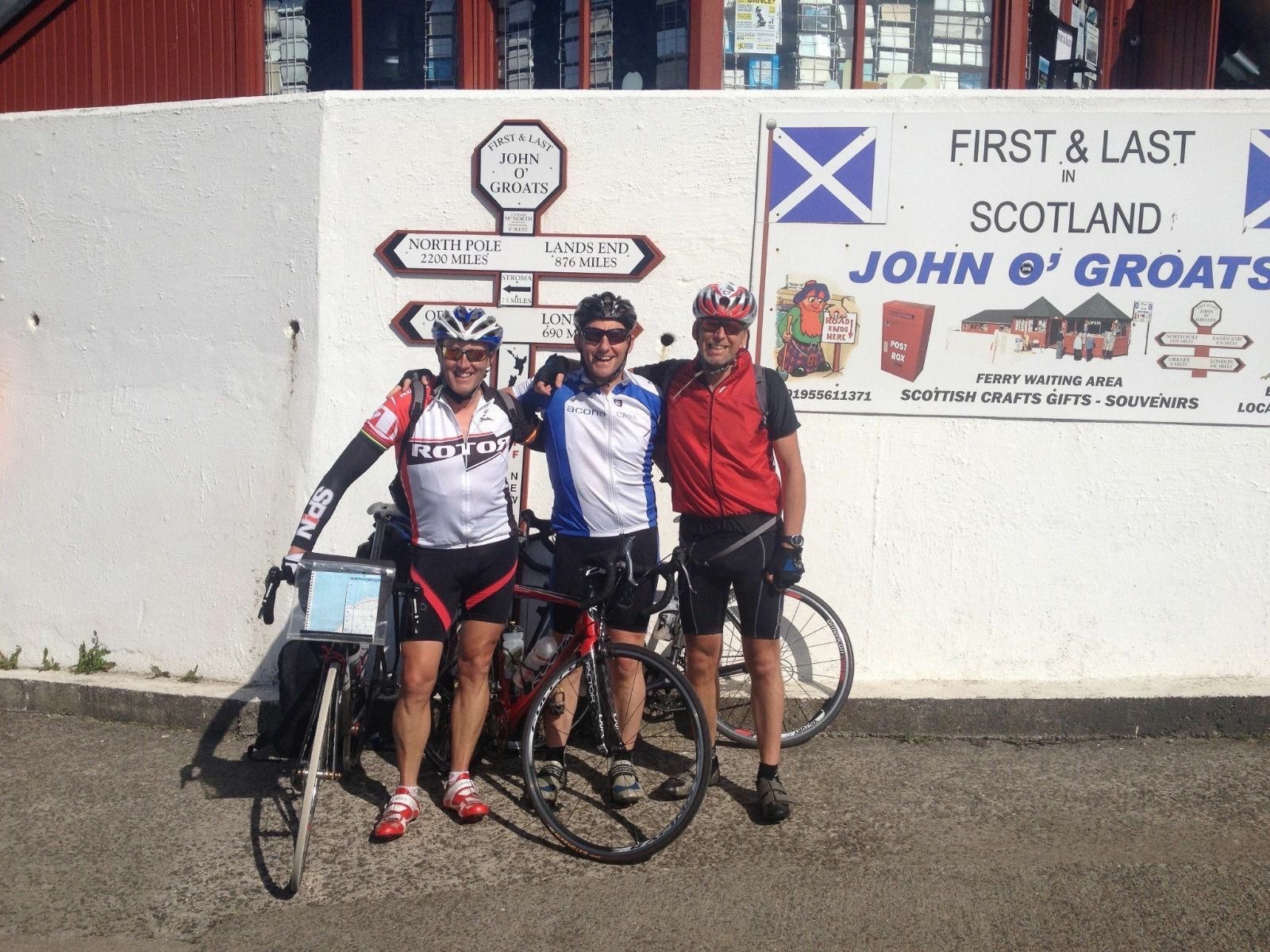
The breakthrough came when I let go of all metrics. I remembered how I loved cycling as a child, swimming in the ocean, running just for the feeling of my heart pounding and my breath rising and falling — just for being alive. This awareness revealed a deeper truth: so much if not all of what we chase, measure, and evaluate is an illusion. The systems we live in — education, work, even personal development, my area of specialism for more than 25 years — teach us to over-identify with performance, outcomes, and separation from our own inner knowing.
A turning point came from a very different kind of experience: a serious road accident. My right shoulder was dislocated and fractured in a series bike accident, the pain was unimaginable. As I lay there, crying, I was given a sedative before surgery — and in that moment, I had an experience of consciousness entirely separate from my body and mind. I was cocooned in pure love, presence, and bliss, completely absent of ego, thinking, and striving. When I awoke, my shoulder was fixed, but the memory never left me. That experience became the catalyst for the next decade of my life: a search for what it means to be, beyond labels, roles, achievements, and societal definitions.
Life is not about fixing what isn’t broken
Since then, I’ve explored countless paths to understand what is real, alive, and true: plant medicine ceremonies, yoga, breathwork, constellations, meditation, shamanic practices, energy healing, and immersive time in nature. Each has deepened my understanding: life is not about fixing what isn’t broken, achieving what we’re told is valuable, or striving for external validation. It’s about reconnecting with the innate love, clarity, and intelligence that is already within us.
I’ve seen how our cultural obsession with success — beating the next person, climbing the hierarchy, proving ourselves — creates a subtle but powerful form of coercion. We are conditioned from birth to measure and compare: who walked first, who has the best grades, who achieved the most. Even professional sport glorifies suffering as a virtue, and business often rewards control over care.
My question now is simple but radical: what does the heart long for that the head won’t allow?